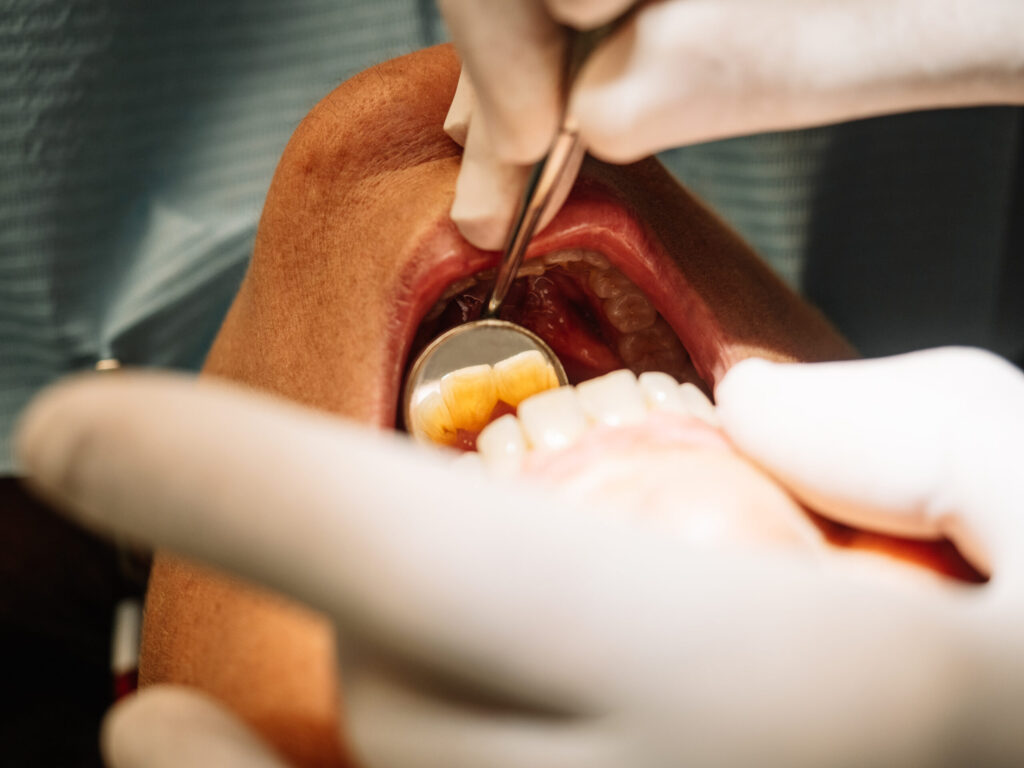
Noticing bleeding gums when brushing is more common than most patients expect, and it’s a small, easy thing to get ahead of. That little bit of colour in the sink is usually just your gums asking for a touch more attention, often the very first sign of gingivitis, the mildest and most treatable stage of gum disease.
The good news is that a few thoughtful adjustments to your routine can genuinely help, and many guests notice a difference within a couple of weeks. Consider this your friendly nudge to tune into what your smile is telling you, and to feel confident about your gum health again.
Here’s what’s likely going on, and how the team at Hygge Dental can help.
Why Are Your Gums Bleeding When You Brush?
There are a few common causes of bleeding gums, but plaque build-up tops the list. Plaque is a sticky layer of bacteria that forms on your teeth every day. When it isn’t cleared away, it can irritate your gums.
This can make them bleed more easily, even during ordinary brushing. This is called gingivitis, an early, common form of gum disease. It’s more common than most guests realise, and it’s also usually painless, so bleeding is often the only clue.
Other things can contribute, too, like a new flossing habit, a firmer toothbrush or brushing too hard, which can all irritate healthy gums. Hormonal changes, certain medications and stress can also make gums more sensitive to plaque.
That’s why some patients notice more bleeding during pregnancy or particularly busy periods. Since plaque rebuilds within about a day, staying consistent matters more than being perfect. In most cases, gums bleeding once in a while is simply a sign they need extra support. It’s not usually a cause for alarm.
When Bleeding Gums Might Mean Something More
Occasional bleeding, especially after a change in routine, often settles down within a week or two. Keep brushing gently and consistently, and it tends to ease. However, if your gums bleed regularly, feel tender or look red and puffy, a professional check is worth booking to know the root cause.
When you leave this issue untreated, gingivitis can sometimes progress to a more advanced form of gum disease. This more advanced stage affects the structures that support your teeth.
According to Healthdirect, gingivitis is common, affecting around one in five Australians. It’s also very treatable when it’s caught early. That’s really the key message: bleeding gums are your mouth asking for a check-up, not something to wait out.
If you’re ever unsure, a dental professional can tell the difference quickly. That way, you’re never left guessing.
Why Healthy Gums Matter Beyond Your Smile
Gum health is about more than a bright smile. According to Healthdirect, there’s growing evidence linking gum disease to broader health concerns, including heart health and blood sugar control.
For example, ongoing research is looking at whether treating gum disease early can also support overall health. It’s one more reason bleeding gums are worth taking seriously, rather than brushing off. It’s also part of why we look at the whole picture of your smile during a check-up.
We never just look at the tooth in question. A healthy mouth genuinely supports a healthy you.
Healthy Habits That Support Healthy Gums
If you’re wondering how to stop bleeding gums for good, a few simple habits make the biggest difference:
- Brush gently, twice a day. Use a soft-bristled toothbrush and a light, circular technique. A firm brush and heavy pressure usually do more harm than good, even though brushing harder can feel like the natural response.
- Floss daily, or use small interdental brushes. These clear away the plaque your toothbrush can’t reach along the gumline. If flossing makes your gums bleed too, that’s often a sign they need it the most, not a reason to stop.
- Keep up with regular hygiene visits. Professional cleaning removes hardened plaque, known as tartar, that brushing alone can’t shift, giving your gums the chance to properly recover.
- Support your gums from the inside, too. A balanced diet, plenty of water and fewer sugary snacks help keep gum-irritating bacteria in check.
Keep going gently and consistently with this routine for a week or so to see an improvement.
A Small Sign, Worth a Proper Look
Bleeding gums when brushing are common. In most cases, it’s a sign your gums need a little more care, not a reason to worry. Gentle brushing, regular flossing and a few weeks of consistency are often all it takes to settle things down.
If the bleeding continues, it’s worth having a professional take a proper look. Our general dentistry team at Hygge Dental can help you understand what’s going on. From there, we’ll guide you toward the right next step. A thorough hygiene visit is often all it takes to identify the cause and get your gums back on track.
Book a Consult with our Spring Hill team, or Call Now to find a time that suits you.
Frequently Asked Questions
**Is it normal for gums to bleed when brushing?**A little bleeding once in a while, especially after starting a new brushing or flossing routine, usually isn’t a big concern. Healthy gums don’t normally bleed with regular brushing, though, so if it’s happening often, it’s worth mentioning at your next check-up.
**What’s the difference between gingivitis and gum disease?**Gingivitis is actually the earliest stage of gum disease. It causes redness, swelling and bleeding, but it’s reversible with good oral care. If it’s left untreated for a long time, it can progress to a more advanced form called periodontitis, which affects the structures supporting your teeth.
**Can flossing cause my gums to bleed too?**Yes, especially if you’re new to flossing or haven’t flossed in a while. Gums that aren’t used to being cleaned between the teeth can bleed for the first week or so. This usually settles as your gums get healthier, so it’s worth persisting gently rather than stopping.
**How long does it take for bleeding gums to improve?**With consistent, gentle brushing and flossing, many patients notice an improvement within one to two weeks. If there’s no change after that, or the bleeding is getting worse, it’s a good idea to book a hygiene visit so we can take a closer look.
**Should I keep brushing if my gums bleed?**Yes, gentle brushing is still important, even if you notice some blood. Skipping brushing can let more plaque build up, which usually makes bleeding worse rather than better. Just use a soft-bristled brush and a light touch.